Anxiety can often feel like an invisible weight, pressing down on your thoughts and making it hard to find clarity or peace. For many people in the United States, anxiety is a common experience that affects daily life, relationships, and overall well-being. While professional help is always valuable, there are simple and effective tools you can use at home to manage anxiety. One such tool is journaling, which allows you to explore your emotions, identify patterns, and gain a sense of control over your mental state. By using specific journal prompts, you can create a safe space for self-reflection and healing. These 12 journal prompts are designed to help you navigate your anxiety and foster a deeper understanding of yourself.
Understanding the Power of Journaling
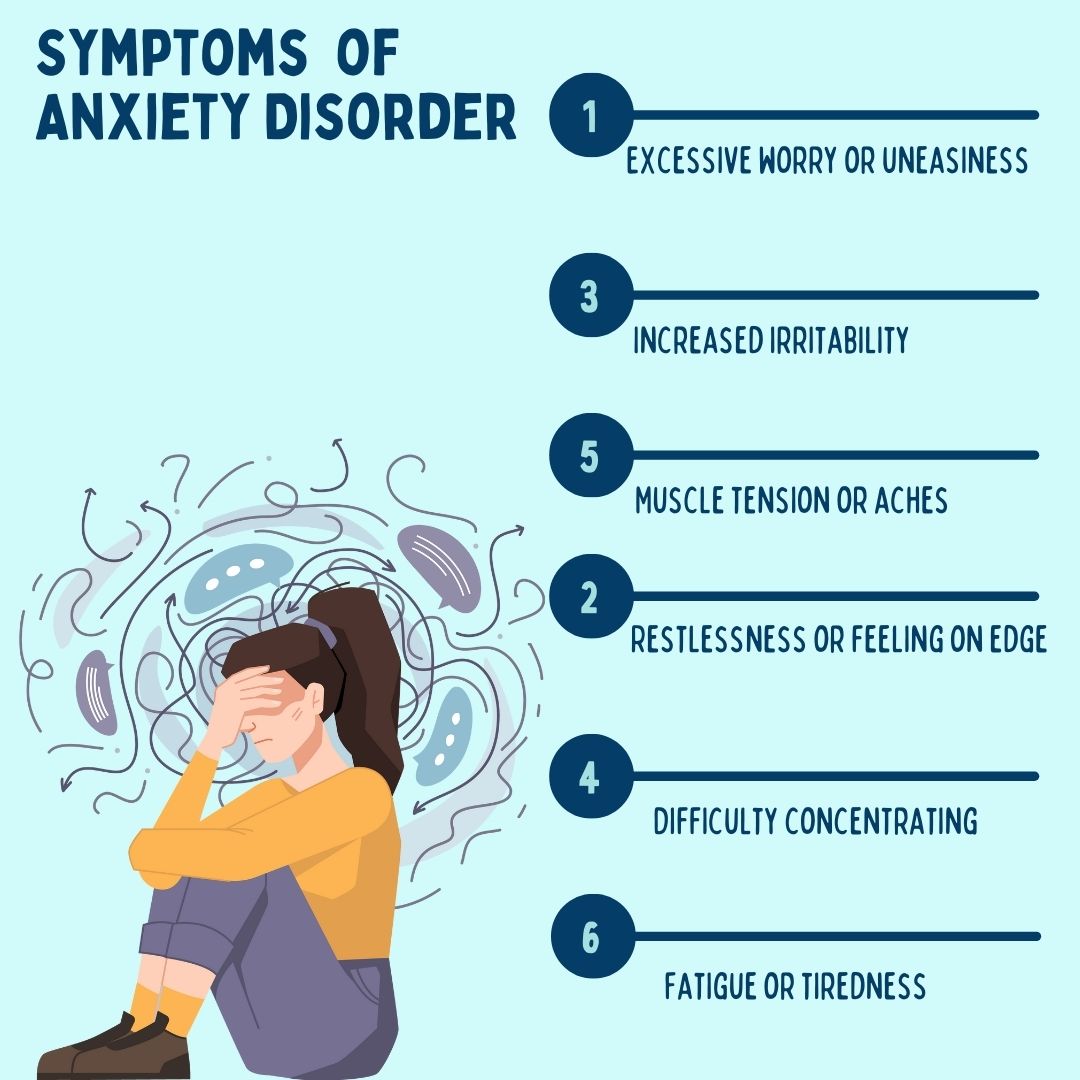
Journaling has long been recognized as a powerful therapeutic technique. It provides a way to externalize thoughts and feelings, making them more manageable and less overwhelming. When you write down your worries, you begin to see them from a different perspective, which can reduce their intensity. This practice also encourages mindfulness, helping you stay present rather than getting lost in anxious thoughts about the future or past. In the United States, where stress and anxiety levels are on the rise, journaling offers a low-cost, accessible solution for many individuals seeking relief.
12 Journal Prompts to Alleviate Anxiety
-
What am I feeling right now?
Take a moment to identify and name your emotions. Writing down what you're feeling can help you understand the root of your anxiety and begin to address it.
-
What triggered this anxiety?
Reflect on the events or situations that led to your current feelings. Identifying triggers can help you develop strategies to manage them in the future.
-
How does my body react when I'm anxious?
Pay attention to physical symptoms like a racing heart, tightness in the chest, or restlessness. Recognizing these signals can help you respond more effectively.
-
What do I need to feel safe right now?
Ask yourself what actions or environments would make you feel more secure. This prompt encourages you to take proactive steps toward comfort.
-
What positive things have I done recently?
Focusing on your achievements, no matter how small, can shift your mindset from one of worry to one of gratitude and confidence.
-
What would I say to a friend who felt this way?
Sometimes, we are harder on ourselves than we are on others. This prompt helps you treat yourself with the same compassion you would offer a loved one.
-
What is one thing I can do today to feel better?
Breaking down your goals into small, actionable steps can make managing anxiety more manageable and less daunting.
-
What are my fears, and how realistic are they?
Writing down your fears and evaluating their likelihood can help you challenge irrational thoughts and regain a sense of control.
-
What is one thing I’m grateful for today?
Gratitude practices have been shown to reduce anxiety and improve mood. This prompt encourages you to focus on the positives in your life.
-
What is one thing I can let go of?
Letting go of unnecessary burdens—whether they’re thoughts, responsibilities, or relationships—can free up mental space and reduce stress.
-
What would I tell my younger self if I could?
This prompt encourages reflection and self-compassion, helping you process past experiences and release any lingering guilt or regret.
-
What is one thing I want to change about my life?
Setting intentions for growth and change can give you a sense of purpose and direction, which can be especially helpful during times of anxiety.
Attributes and Entities Related to Anxiety Journaling
Attributes:
- Emotional Awareness: The ability to recognize and understand your emotions.
- Mindfulness: Being present and fully engaged in the current moment.
- Self-Compassion: Treating yourself with kindness and understanding.
- Stress Reduction: Lowering the physiological and psychological effects of stress.
Entities:
- Journaling Tools: Specific prompts, notebooks, or digital apps used for writing.
- Therapeutic Practices: Techniques like cognitive behavioral therapy (CBT) that incorporate journaling.
- Mental Health Resources: Organizations or platforms offering support for anxiety and mental health.
- Community Support: Groups or online forums where individuals share their experiences and coping strategies.
| Attribute |
Entity |
Description |
| Emotional Awareness |
Journaling Tools |
Using prompts to identify and articulate feelings. |
| Mindfulness |
Therapeutic Practices |
Incorporating journaling into CBT to stay present. |
| Self-Compassion |
Mental Health Resources |
Accessing guides and support networks for self-care. |
| Stress Reduction |
Community Support |
Engaging with others to share and learn from experiences. |
By incorporating these journal prompts into your routine, you can begin to build a stronger relationship with your emotions and develop healthier coping mechanisms. Whether you're dealing with mild anxiety or more severe symptoms, journaling can be a valuable tool in your journey toward mental well-being. Remember, healing is a process, and each step you take—no matter how small—brings you closer to peace.


Komentar
Posting Komentar