Anxiety can feel like an invisible weight, pressing down on your thoughts and making it hard to breathe. For many, the constant worry, racing mind, and physical symptoms of anxiety can be overwhelming. However, there's a simple and effective tool that can help you manage these feelings: journaling. By putting your thoughts on paper, you can gain clarity, process emotions, and find relief from the chaos of anxiety. If you're new to journaling, starting with beginner-friendly prompts can make all the difference. These prompts are designed to guide you through self-reflection, helping you identify patterns, release stress, and build a stronger sense of self-awareness. Whether you're dealing with general anxiety or specific worries, these prompts offer a safe space to explore your inner world and begin the journey toward emotional healing.
Understanding the Power of Journaling for Anxiety
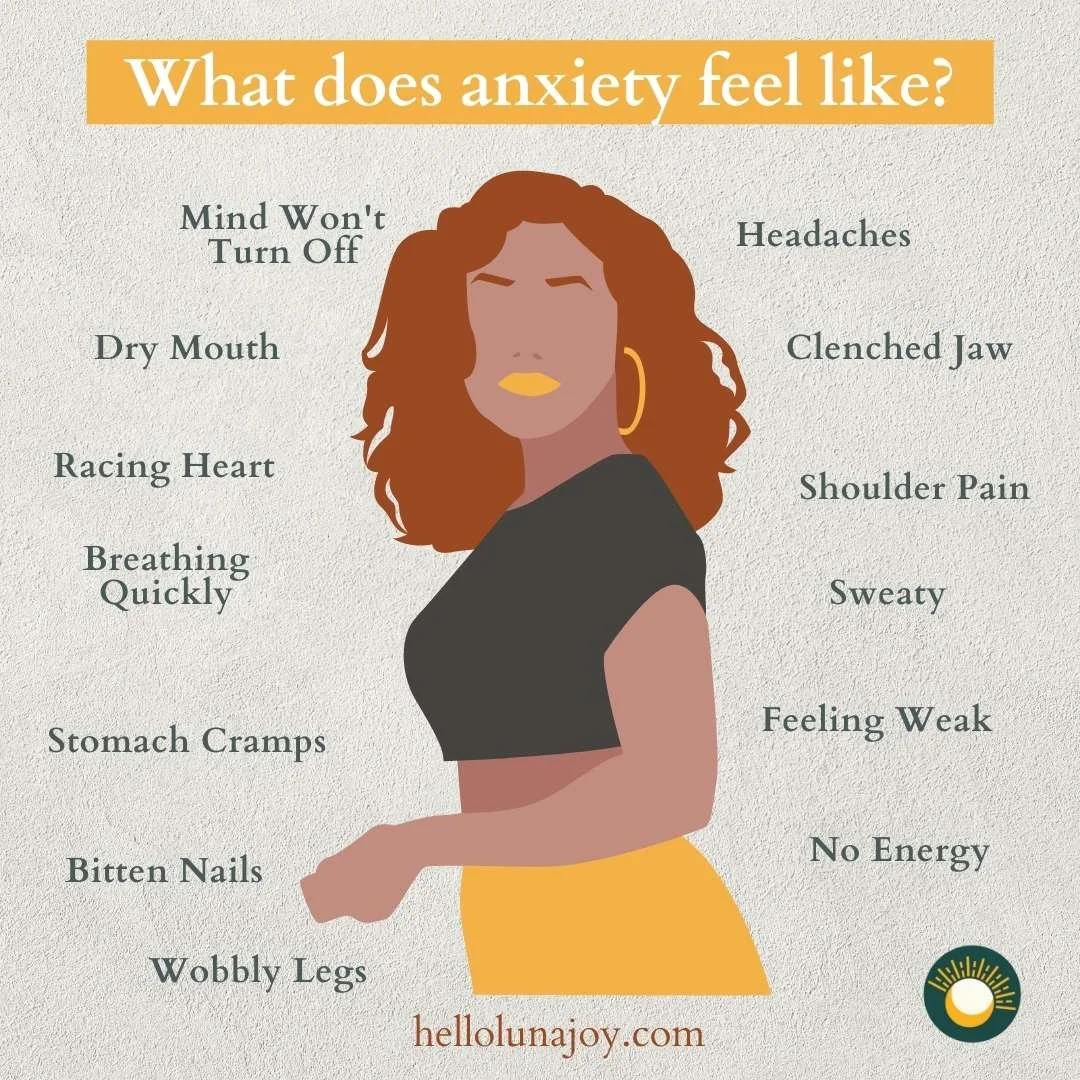
Journaling is more than just writing down what happened during the day—it’s a powerful practice that can help you understand and manage your anxiety. When you write, you’re not only expressing your thoughts but also organizing them, which can reduce mental clutter. This process allows you to step back from your worries and see them from a different perspective. For beginners, this can be especially helpful because it provides structure without requiring deep introspection right away.
One of the key benefits of journaling is its ability to create a sense of control. Anxiety often makes people feel powerless, but by taking time to write, you're asserting your ability to reflect and respond. Additionally, journaling can serve as a form of emotional release, allowing you to vent without judgment. It’s a private space where you can explore your fears, hopes, and frustrations without worrying about how others might react.
4 Attributes and 4 Entities Related to Anxiety Journaling
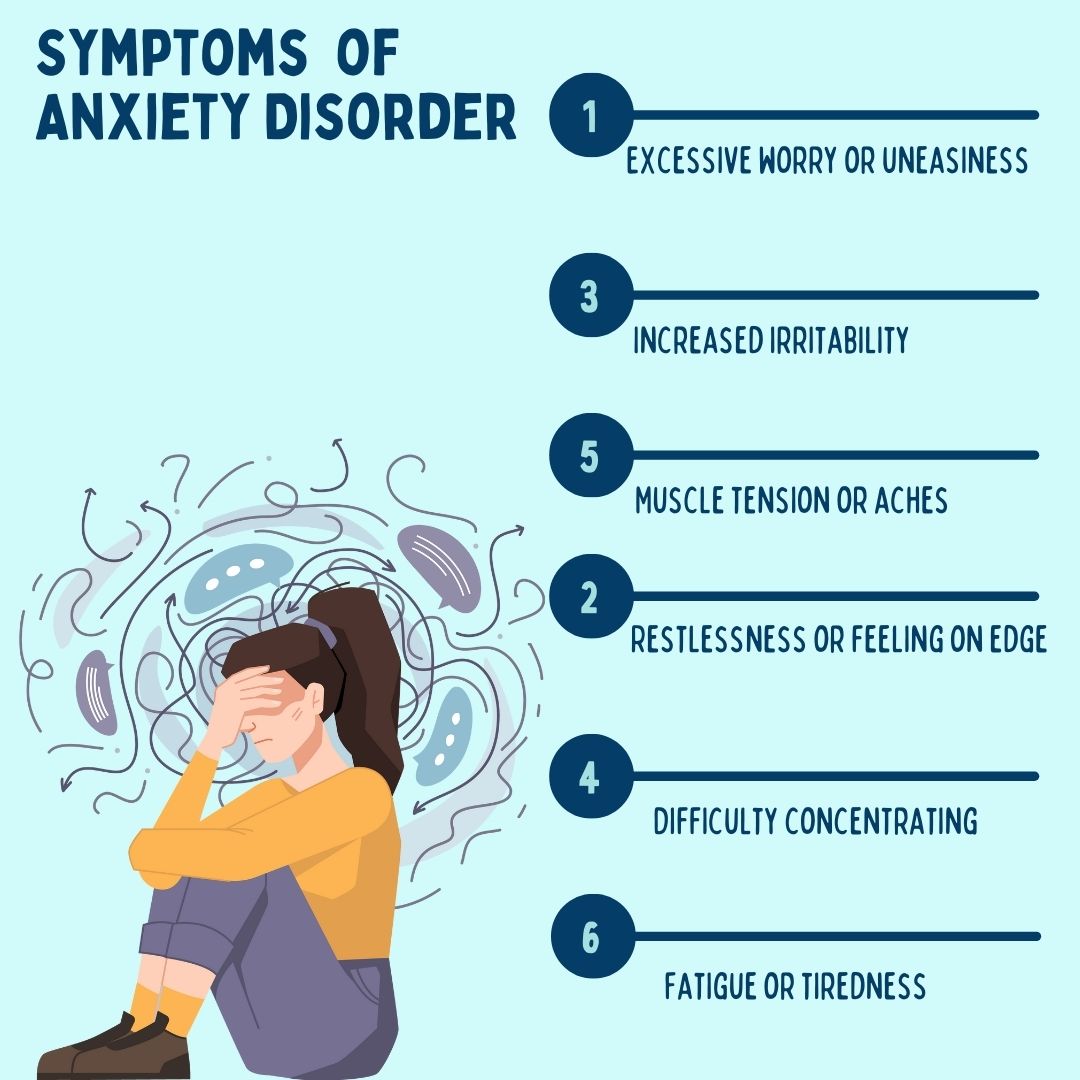
To better understand how journaling can help with anxiety, it’s useful to examine the key attributes and entities involved in this practice. Here are four attributes and four entities that define the relationship between anxiety and journaling:
Attributes:
1. Emotional Expression: Journaling allows individuals to articulate their feelings, which can reduce the intensity of anxiety.
2. Self-Awareness: Regular writing helps users recognize patterns in their thoughts and behaviors.
3. Stress Reduction: Writing about worries can lower cortisol levels, leading to a calmer state of mind.
4. Cognitive Reframing: Journaling encourages a shift in perspective, helping individuals challenge negative thought patterns.
Entities:
1. Anxiety Triggers: Specific events or situations that cause anxious feelings.
2. Mindfulness Practices: Techniques that encourage present-moment awareness, often used alongside journaling.
3. Therapeutic Tools: Methods such as cognitive-behavioral therapy (CBT) that can be integrated into journaling routines.
4. Personal Reflection: The process of examining one's own experiences and emotions through written words.
By combining these attributes and entities, journaling becomes a holistic approach to managing anxiety, offering both immediate relief and long-term growth.
Beginner Journal Prompts for Anxiety Relief
If you're new to journaling, starting with simple prompts can make the process less intimidating and more accessible. Here are some beginner-friendly prompts that can help you navigate your anxiety:
-
What am I feeling right now?
Take a moment to describe your current emotions without judgment. Use words like "nervous," "worried," or "overwhelmed" to capture your experience.
-
What is causing my anxiety today?
Identify one specific thing that’s making you feel anxious. Write about it in detail, including any physical sensations or thoughts that come with it.
-
What can I do to calm myself down?
Think about small actions that bring you comfort, such as deep breathing, taking a walk, or listening to music. List them and consider trying one.
-
What would I say to a friend who feels this way?
Imagine talking to someone you care about who is experiencing similar feelings. What advice would you give them? Often, we are kinder to others than we are to ourselves.
-
What are three things I’m grateful for today?
Focusing on gratitude can shift your mindset from worry to appreciation. Even small things, like a warm cup of coffee or a sunny day, can make a difference.
-
What is one thing I can do tomorrow to feel better?
Set a small, achievable goal for the next day. This could be as simple as going for a short walk or spending five minutes in silence.
-
What are my biggest fears, and how realistic are they?
Write down your fears and then evaluate whether they are based on facts or assumptions. This can help reduce the power they hold over you.
-
What have I overcome before?
Reflect on past challenges you’ve successfully managed. Remind yourself of your strength and resilience.
-
What is one thing I need to let go of?
Sometimes anxiety stems from holding onto things that no longer serve you. Letting go can be a powerful act of self-care.
-
How can I be kinder to myself today?
Treat yourself with the same compassion you would show a friend. Write down ways you can nurture your well-being.
Creating a Routine That Works for You
The key to successful journaling is consistency, but it’s important to find a routine that fits your lifestyle. Some people prefer to journal first thing in the morning, while others find it easier to do so before bed. Experiment with different times and formats to see what works best for you. You don’t need to write for hours—just a few minutes each day can make a significant impact.
Additionally, consider using a dedicated journal or app to keep your entries organized. Some people enjoy adding drawings, quotes, or even photos to their pages, making the experience more personal and engaging. The goal is to create a space where you feel safe and supported, free from pressure or expectations.
Remember, journaling is a personal journey, and there’s no right or wrong way to do it. Whether you’re writing about your day, exploring your emotions, or setting intentions, every entry is a step toward greater self-understanding and emotional well-being. With time and practice, you’ll likely find that journaling becomes a valuable tool in your anxiety management toolkit.


Komentar
Posting Komentar