Are EMDR journal prompts right for you? This quiz will tell. Eye Movement Desensitization and Reprocessing (EMDR) is a therapeutic technique that has gained significant attention for its effectiveness in treating trauma, anxiety, and other mental health issues. While EMDR therapy typically involves guided eye movements and other forms of bilateral stimulation, many practitioners have started incorporating journal prompts as an additional tool to enhance the therapeutic process. These prompts can help individuals reflect on their experiences, identify patterns, and process emotions more effectively. But are they suitable for everyone? This quiz aims to provide some clarity by exploring key factors that may influence whether EMDR journal prompts are the right choice for you.
Understanding EMDR and Its Applications

EMDR was developed by psychologist Francine Shapiro in the late 1980s and is now widely used to treat post-traumatic stress disorder (PTSD), phobias, and other psychological conditions. The core principle of EMDR is that traumatic memories can become "stuck" in the brain, leading to distressing symptoms. By using bilateral stimulation—such as eye movements, taps, or sounds—the brain is encouraged to reprocess these memories in a healthier way. Journal prompts are often introduced during or after sessions to support this reprocessing. They serve as a means for individuals to articulate their thoughts, explore their feelings, and gain insight into their emotional landscape.
Key Attributes of EMDR Journal Prompts
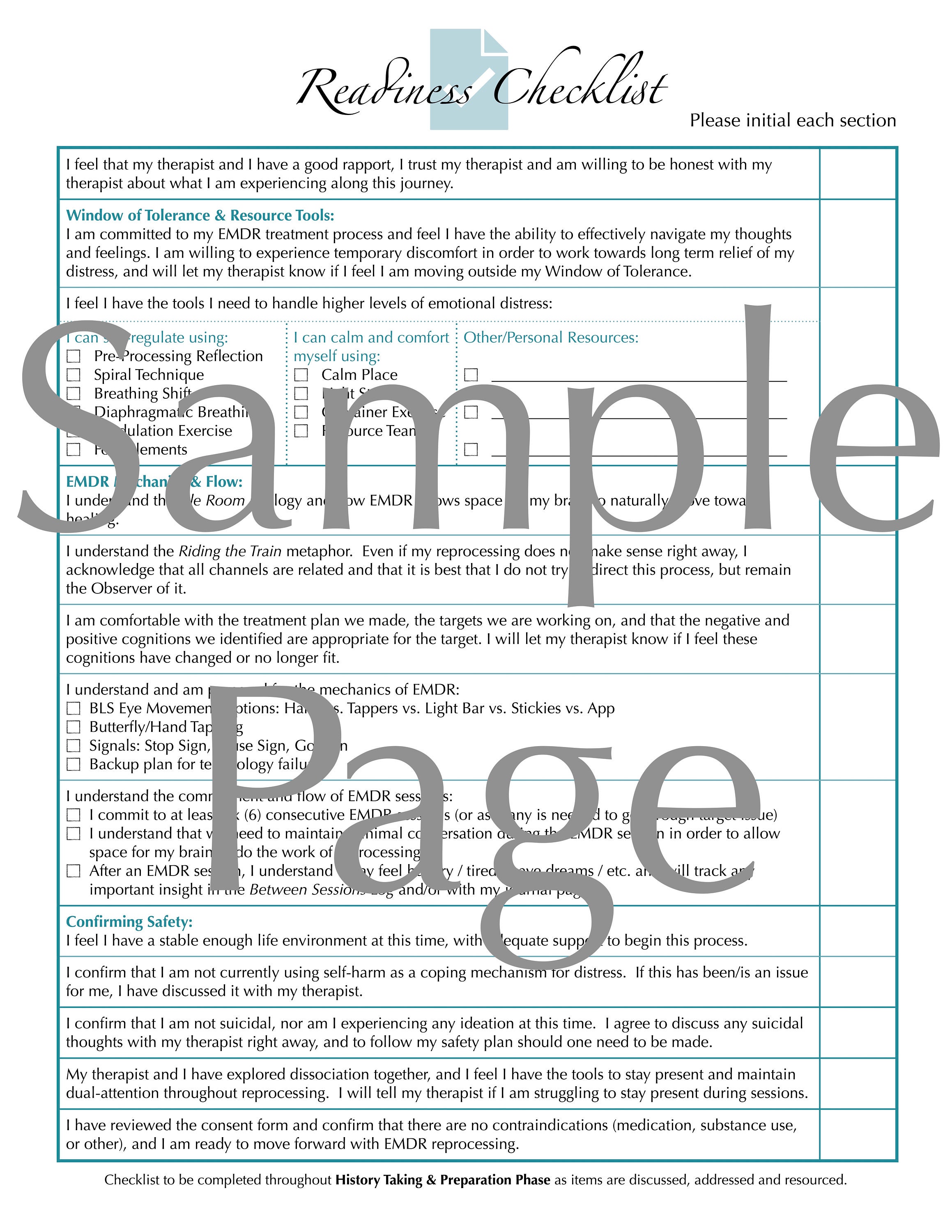
To determine if EMDR journal prompts are right for you, it's important to consider several attributes that define their effectiveness and suitability. These include:
- Emotional Reflection: Journal prompts encourage individuals to delve into their emotions and uncover hidden patterns.
- Cognitive Processing: They help in organizing thoughts and making sense of complex experiences.
- Self-Awareness: Regular use can increase self-awareness and promote personal growth.
- Therapeutic Support: When used under professional guidance, they can complement traditional EMDR techniques.
These attributes highlight the potential benefits of incorporating journal prompts into your EMDR journey, but they also suggest that the approach may not be ideal for everyone.
Entities Influencing the Suitability of EMDR Journal Prompts
In addition to the above attributes, several entities play a role in determining whether EMDR journal prompts are appropriate for you. These include:
- Mental Health History: Individuals with a history of severe trauma or dissociative disorders may require more structured guidance.
- Therapy Goals: The specific goals of your therapy will influence how journal prompts are integrated.
- Personal Preferences: Some people may find writing uncomfortable or unhelpful, which could affect their engagement with the process.
- Professional Supervision: The presence of a trained therapist can significantly impact the effectiveness and safety of using journal prompts.
Understanding these entities can help you make an informed decision about whether EMDR journal prompts align with your needs and circumstances.
A Quick Quiz to Help You Decide
If you're unsure whether EMDR journal prompts are right for you, consider answering the following questions:
- Do you feel comfortable expressing your thoughts and emotions in writing?
- Are you looking for ways to deepen your understanding of your experiences?
- Have you previously worked with a therapist who uses EMDR techniques?
- Are you open to exploring new methods of processing trauma or stress?
Each answer can provide valuable insight into your readiness for EMDR journal prompts. If you find that you resonate with most of these questions, it may be worth discussing with your therapist whether incorporating journal prompts could enhance your treatment.
Benefits and Considerations
There are several benefits to using EMDR journal prompts, including increased self-reflection, improved emotional regulation, and a deeper connection to your inner world. However, there are also considerations to keep in mind. For instance, if you're dealing with intense or overwhelming emotions, journaling without proper support could be counterproductive. It's essential to work with a qualified professional who can guide you through the process and ensure that your experience remains safe and constructive.
Conclusion
EMDR journal prompts can be a powerful tool for those seeking to enhance their therapeutic journey. However, their effectiveness depends on individual factors such as personal preferences, mental health history, and the level of professional support available. By taking the time to assess your needs and working closely with a therapist, you can determine whether this approach is right for you. Remember, the goal of EMDR is to help you heal and grow, and journal prompts can be one of many tools on that path.


Komentar
Posting Komentar