Are you looking for a way to help your children develop their writing skills and creativity in a fun and engaging manner? Elementary daily journal prompts can be an excellent tool for students of all ages, offering a structured yet flexible approach to self-expression. These prompts encourage kids to reflect on their experiences, explore their thoughts, and practice writing in a low-pressure environment. Whether you're a parent or a teacher, incorporating these prompts into your child's routine can have long-lasting benefits. From fostering critical thinking to improving communication skills, the right prompts can make a significant difference in a student's growth. With so many options available, it's easy to feel overwhelmed, but the best daily journal prompts are those that are age-appropriate, diverse, and designed to spark curiosity.
Why Daily Journal Prompts Matter
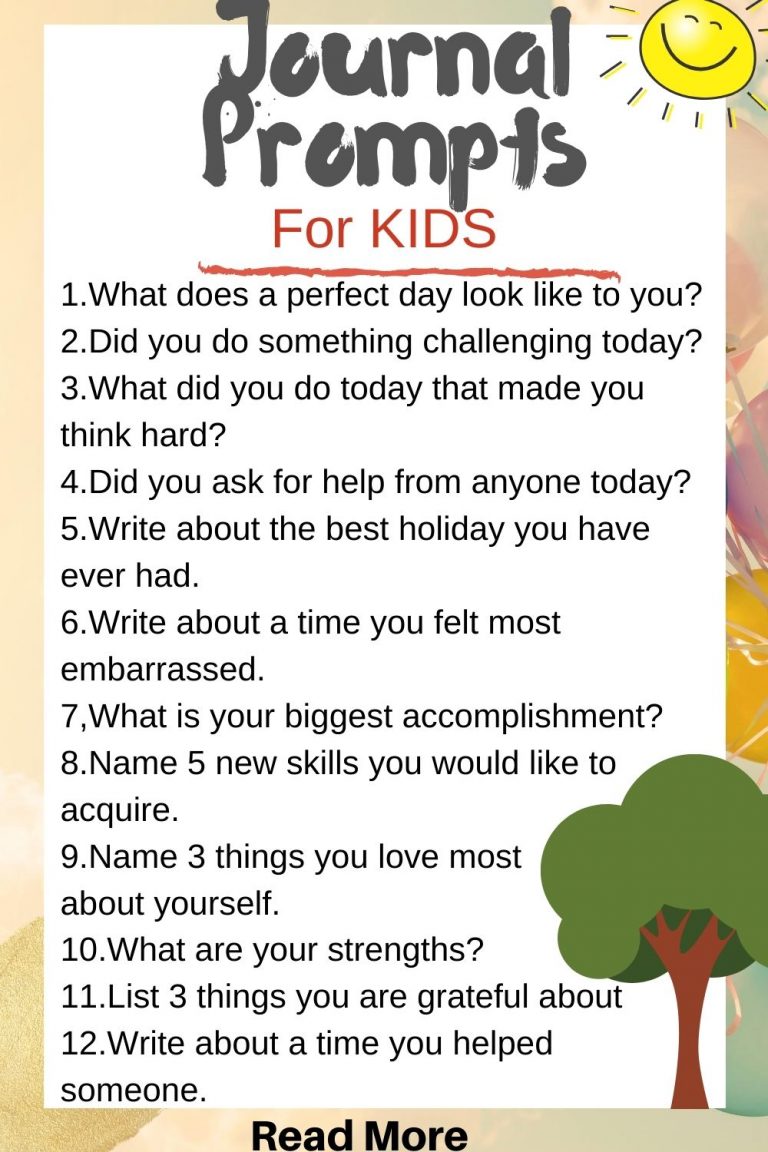
Daily journaling is more than just a writing exercise; it's a powerful habit that supports cognitive development and emotional well-being. For elementary students, this practice helps them organize their thoughts, build vocabulary, and express themselves confidently. The key to success lies in choosing prompts that align with the child's developmental stage. Younger students may benefit from simple, imaginative questions, while older children might appreciate prompts that challenge them to think critically or solve problems. By making journaling a consistent part of their day, children learn to view writing as a natural and enjoyable activity rather than a chore.
Top Daily Journal Prompts by Age Group
For children between the ages of 5 and 7, prompts should be short, engaging, and open-ended. Encourage them to describe their favorite things, imagine a world of their own, or talk about a recent experience. Examples include:
- What did you dream about last night?
- If you could be any animal, which one would you choose and why?
- Describe a time when you felt proud of yourself.
Children aged 8 to 10 are ready for more complex prompts that require reflection and analysis. At this stage, they can begin exploring emotions, setting goals, and thinking about the future. Some effective prompts include:
- What is something you learned this week that surprised you?
- If you could travel anywhere, where would you go and what would you do there?
- How do you show kindness to others?
For students aged 11 to 12, prompts can focus on deeper topics such as personal values, challenges, and aspirations. This is also a great time to introduce creative writing exercises, like storytelling or character development. Ideas include:
- What is a challenge you've overcome, and how did it change you?
- Imagine you are a famous person. What would your life look like?
- What is one thing you want to improve about yourself, and how will you do it?
Key Attributes and Entities
When selecting the best daily journal prompts, several attributes and entities play a crucial role in determining their effectiveness. Here are four key attributes and four related entities:
Attributes:
- Age Appropriateness – Prompts must match the cognitive and emotional maturity of the child.
- Creativity – Encourages imagination and original thinking.
- Variety – Offers a range of topics to keep the child engaged.
- Open-Endedness – Allows for multiple responses and personal interpretation.
Entities:
- Emotional Expression – Helps children articulate feelings and experiences.
- Critical Thinking – Challenges them to analyze and reflect on their surroundings.
- Language Development – Enhances vocabulary and grammar skills.
- Self-Reflection – Encourages introspection and personal growth.
| Attribute |
Entity |
Description |
| Age Appropriateness |
Emotional Expression |
Ensures prompts are suitable for the child's developmental stage, allowing safe exploration of feelings. |
| Creativity |
Critical Thinking |
Stimulates imaginative thinking and problem-solving abilities through unique scenarios. |
| Variety |
Language Development |
Keeps the child engaged by introducing new topics, which in turn expands their vocabulary. |
| Open-Endedness |
Self-Reflection |
Encourages deeper thought and personal insights, helping the child understand themselves better. |
By focusing on these attributes and entities, educators and parents can create a journaling routine that not only enhances writing skills but also nurtures the whole child. The best daily journal prompts are those that balance structure with freedom, guiding children toward meaningful self-expression without limiting their creativity.


Komentar
Posting Komentar